Project partners:
2021 – Present
Viviane Barnett Fellows. Photo credit: Jason Hill
The Madrona Fellowship for Food System Leaders is a 12-month leadership development program supporting Black, Indigenous, and other people of color (BIPOC) working at the intersections of food, land, culture, and climate. Through seasonal gatherings, mentorship, and peer connection, the fellowship nurtures transformative leadership rooted in land, community, and collective care. Guided by the rhythms of the region, it offers space for reflection, relationship, and regeneration.
We are expanding the fellowship’s geographic reach—from the Upper Willamette Valley to the Lower Salish Sea—growing a bioregional network of leaders grounded in place and relationship. All fellows gather seasonally for land-based immersions at Black Food Sovereignty Coalition’s 43 acre farm near Chehalis, Washington.
Over the course of the year, fellows participate in seasonal gatherings, immersive learning experiences, and regional cohort meetings that center land, culture, and relationship. Through these shared experiences, they deepen their leadership practice, build lasting connections, and contribute to a growing bioregional network. Together, they cultivate the relationships, skills, and vision needed to transform systems from the ground up — centering care, courage, collective responsibility, and healing.
Formerly the Viviane Barnett Fellowship, we’ve chosen a new name rooted in place and reflective of the growing network of leaders and communities we support.
The madrona tree, native to the Pacific Northwest, is known for its deep roots, vibrant red bark, and graceful resilience. It’s a fitting symbol for the kind of leadership this fellowship nurtures: transformational, grounded, and interconnected.
Seasonal Arc of the Fellowship
The Madrona Fellowship is shaped by the natural cycles of the Pacific Northwest, offering a rhythm of leadership development that mirrors the seasons. Each phase invites fellows to deepen their connection to self, community, and the broader movement for food sovereignty, land stewardship, and climate resilience.
Madrona Fellowship Application Update
The Madrona Fellowship application period closed on May 16.
We accepted applications from April 11 to May 16 and received 68 submissions.
Over the coming weeks, our selection committee will carefully review each application.
June 17: Finalists will be invited to schedule a 45-minute video interview for the weeks of June 23, June 30, and July 7.
July 31: Acceptance notifications will be sent to 15–20 selected fellows, who will be asked to confirm their participation by signing a Memorandum of Understanding (MOU). All applicants will receive updates on their application status by this date.
August 2025: Online orientation session for the cohort.
September 2025: Fellowship program begins.
August 2026: Fellowship culmination.
May 2nd recording
Meet the Madrona Fellows
Seattle, WA
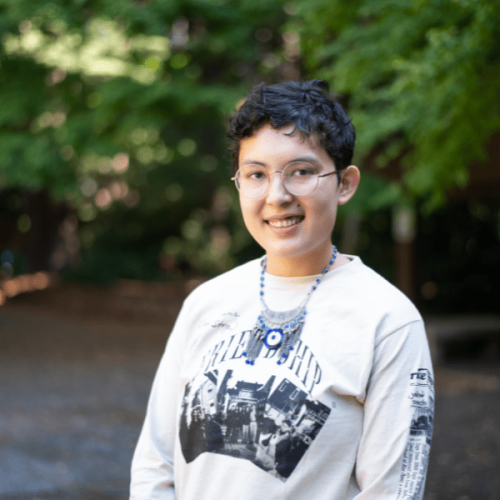
Amelia Lee Doğan is a PhD candidate in Information Science at the University of Washington, studying how digital technologies built for social change and planetary health are used, challenged, and reshaped by frontline communities. Amelia’s doctoral research combines qualitative and design methods to explore how climate justice movements can inform more just and community-rooted approaches to technology, including collaborating with Front and Centered. This work is supported by a National Science Foundation Graduate Research Fellowship and the UW Office of Graduate Student Equity & Excellence. Amelia is also a research affiliate with the Data + Feminism Lab at MIT and a Graduate Fellow at UW’s Center for Environmental Politics. Amelia’s work is committed to grounding technology in place, relationship, and the wisdom of those most impacted. Outside of research, Amelia has been involved with the local climate movement and food systems through bridging climate justice, ancestral foodways, and digital design.
Seattle, WA
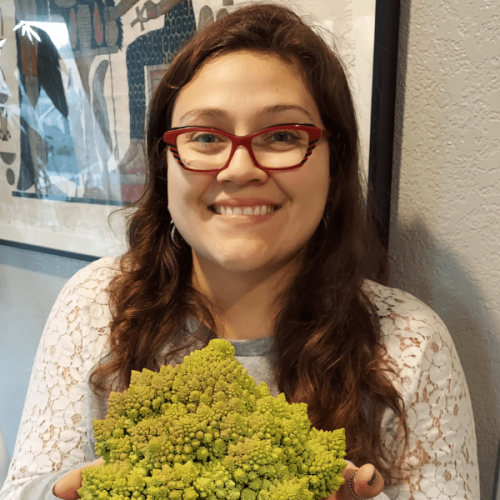
Angela Gurney is a gardener, composter, and community organizer rooted in a mixed-heritage lineage of migrant farmworkers. Her work is grounded in food justice, ecological healing, and cultural reclamation. Drawing from personal and ancestral histories of land stewardship, Angela has grown food in apartments and home gardens for over a decade, prioritizing culturally relevant and native plants. She has collaborated with BIPOC-owned farms to reduce food waste and increase access to traditional foods, and is a certified Master Composter through Tilth Alliance and Seattle Public Utilities.
Angela serves as board president of a Seattle-based cultural arts nonprofit supporting regional Mexican dance and storytelling, and has volunteered extensively with Green Seattle Partnership and the Major Taylor Project. She is launching a consulting and design business focused on regenerative landscapes using food forest models, where her passion for sustainability, community building, and land-based healing converges.
Her worldview is shaped by ancestors on both sides — immigrant farmers from Scandinavia and Indigenous people of this continent — who lived with deep reverence for the land. Now, as a mother, partner, and leader, Angela continues that legacy in service to land and community. She credits her husband and daughter for supporting her through horticulture school while working full time and leading a nonprofit.
Portland, OR
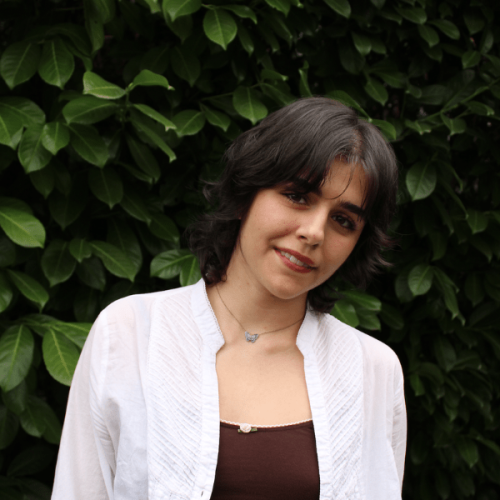
Ava Minu-Sepehr (she/her) is a queer Iranian American apprentice land tender and medicine keeper. She currently resides on ancestral and present lands of the Multnomah, Wasco, Cowlitz, Kathlamet, Clackamas, Bands of Chinook, Tualatin Kalapuya, Mollala & other tribes both recognized and unrecognized alongside the Columbia River.
In her lifetime, she hopes to bridge allopathic and herbal medicines. She works to integrate ancestral wisdoms and practice culturally relevant care for people on the margins of care. Food as medicine, and food sovereignty, guide her work across land and medicine stewardship.
Ava’s lifework is centered on justice and liberation for all oppressed peoples, and towards land back. Free falastin, sudan, and the congo. Our inseparability from human and non-human beings is our strength and our call to free each other.
Ava is a poet, doula-in-training, friend, and lover. In spare time, she loves and needs to be outside in nature, to undertake food preservation projects, and to make ceramic art (especially teapots). Her friends and family are deeply nourishing and important parts of her life.
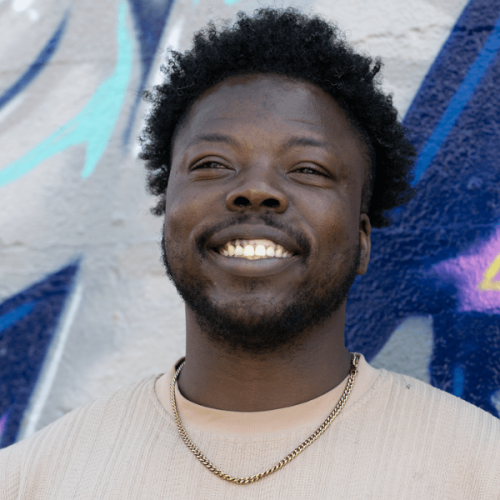
Portland, OR
Buchi Asemota is the Co-Founder and CEO of Our Streets, a Portland-based nonprofit focused on food justice, housing access, and community-rooted solutions for historically marginalized communities. A native of Lagos, Nigeria, Buchi brings a deep commitment to equity and collective care, informed by his background as a special education teacher, camp director, and longtime advocate for systems change. Since founding Our Streets in 2020, Buchi has helped lead the organization to serve over one million meals, launch multiple affordable housing initiatives, and cultivate partnerships across Oregon and Hawai‘i. His leadership is grounded in the belief that access to land, food, and culture are fundamental rights — and that BIPOC-led movements are central to reimagining our systems from the ground up. Buchi also serves as Chair of the Oregon Commission on Black Affairs and is a member of the Oregon Advisory Committee to the U.S. Commission on Civil Rights. He was named one of Portland Business Journal’s 2025 40 Under 40 honorees for his innovative leadership. Through the Madrona Fellowship, he hopes to deepen connections across the bioregion, share Our Streets’ community-driven models, and co-create pathways rooted in healing, reciprocity, and shared abundance.
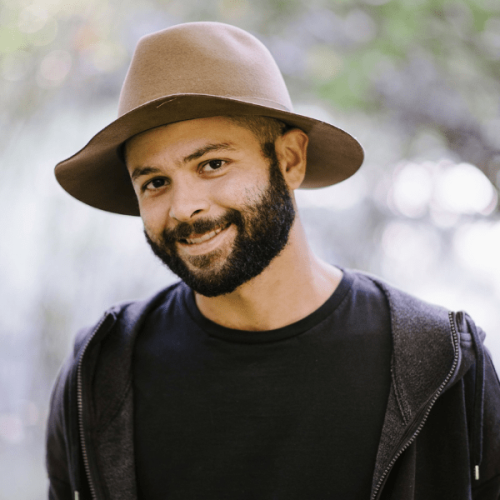
Port Townsend, WA
Cameron Jones is a mixed race land steward, systems thinker, and community organizer based in Port Townsend, WA, on S’Klallam and Chimakum lands in rural Jefferson County. With over a decade of experience at the intersections of land stewardship, community organizing, and systems change, Cameron’s work centers Afro-Indigenous land practices, food sovereignty, and racial justice — especially within rural, predominantly white contexts where Black and Indigenous voices are often marginalized.
He co-directs Well-Organized / Black Lives Matter Jefferson County, leading initiatives rooted in community self-determination, land-based healing, and just local infrastructure. Cameron brings a background in military service, coaching, caregiving, yoga instruction, and ecological design. Their training in permaculture is grounded in ancestral knowledge rather than Western frameworks, informing their work across land access, local governance, policy advocacy, and collaborative restoration.
Cameron’s leadership is adaptive, strategic, and deeply relational. Whether stewarding farmland or facilitating multi-stakeholder processes, he holds a long view grounded in care, autonomy, and ecological interdependence. Politically, he identifies as a liberatory eco-socialist with anarchist tendencies, committed to dismantling systems of domination while building community-based alternatives. Outside of organizing, Cameron can be found reimagining systems, biking, practicing yoga, spending time on the land, or watching anime.
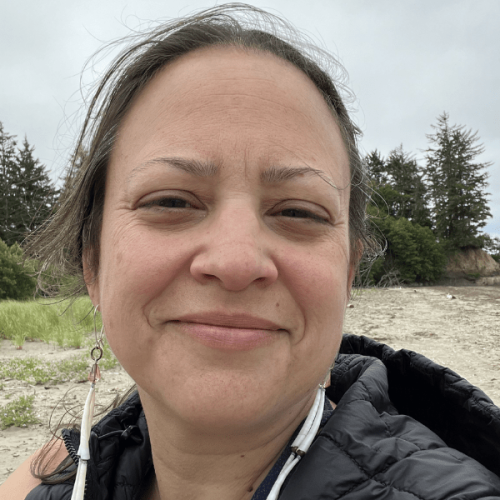
Ridgefield, WA
Juliet McGraw is an Indigenous anthropologist and community caretaker descended matrilineally from the Western Cherokee. She is a member of the Chinook Indian Nation Canoe Family, where she participates in Canoe Journey, medicinal practices, and plant knowledge sharing. As caretaker of Cathlapotle Plankhouse, she came to understand land stewardship as part of her birthright and inherited responsibility. She leads Magpie Connections, a project focused on land revitalization and decolonizing nonprofits, and has started a mutual-aid garden supporting food sovereignty in Clark County. Juliet’s leadership is grounded in community service, relational facilitation, and cultural continuity. She lives and learns with the Chinook people, whose unrecognized status intensifies her dedication to Indigenous resurgence. Her work centers on reciprocity, resilience, and building futures rooted in obligation to land, ancestors, and community.
Moving between natural and built environments, Urban Indigenous Lifeways and dominant culture, academia and ITECK, Juliet finds herself most comfortable in liminal spaces. As a non-status Cherokee descendant, she remains deeply aware that serving the Chinook Indian Nation’s Canoe Family is a profound privilege. She works to honor this relationship by forwarding land back initiatives and cultural revitalization in the Pacific Northwest.
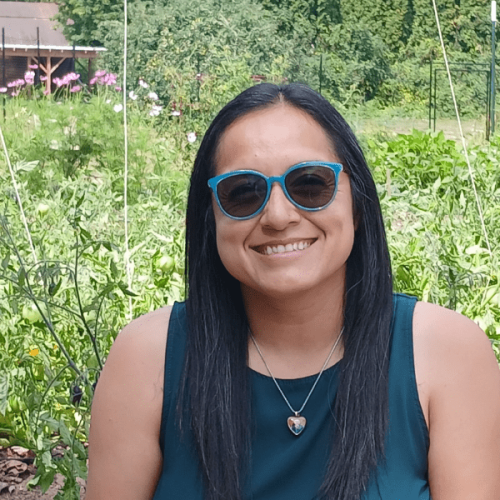
Vancouver, WA
Monica Zazueta Tabor is a community leader of Hispanic heritage committed to land stewardship, food justice, and systems transformation. She serves as president of the Southwest Washington Victory Food Project, leading initiatives that teach residents in transitional housing to grow their own food. She also leads Vancouver Metro LULAC 47026, where she advocates for environmental and human rights through the framework of Doughnut Economics. Monica’s leadership is grounded in empathy, shared responsibility, and ancestral wisdom, with a vision for a well-being economy rooted in community care.
Her path to this work is deeply personal. Growing up, she struggled with internalized racism and the pressures of assimilation, which led to addiction, incarceration, and homelessness. Through rehab and community support, she found healing and purpose. Her leadership journey continued through the Vancouver Community Leadership Institute and the Center for Equity and Inclusion’s Intensive Facilitator Training.
Monica has helped install raised beds in two Safe Stay communities, co-stewards a 60-foot garden circle at Sarah’s Garden and is a lead volunteer for The Mercado providing free fresh produce to the community. She is passionate about land-based learning, regenerative systems, and ensuring that food is recognized and protected as a basic human right.
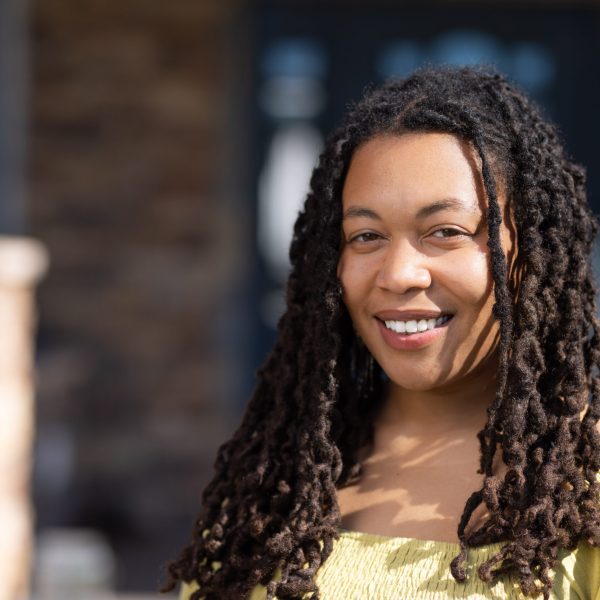
Milton, WA
Niela Hampton (she/her/theirs) embodies creative expression through meditation, music, poetry, song, dance, prayer, and storytelling — opening pathways for awareness, connection, and liberation. Her commitment to collective cultural ascension is evident in her passion for building systems and integrating communal healing practices that empower economic, racial, and land liberation in historically disadvantaged communities. As Managing Director of Sacred Land Collective, Niela facilitates cross-cultural and intergenerational wisdom, cultivating connection through the power of land. With over 12 years of experience in food and environmental justice, youth development, operational systems, and racial equity training, she is skilled in coaching, business development, and scaling community-based programs. Niela’s leadership is rooted in cultivating land-based healing and regenerative practices that strengthen intergenerational collaboration. She has successfully directed initiatives that empower marginalized communities, expand green job pathways for youth, and amplify the voices of Black, Brown, Indigenous, and LGBTQIA+ leaders. Through this work, she continues to create opportunities for transformation, sustainability, and cultural resilience.
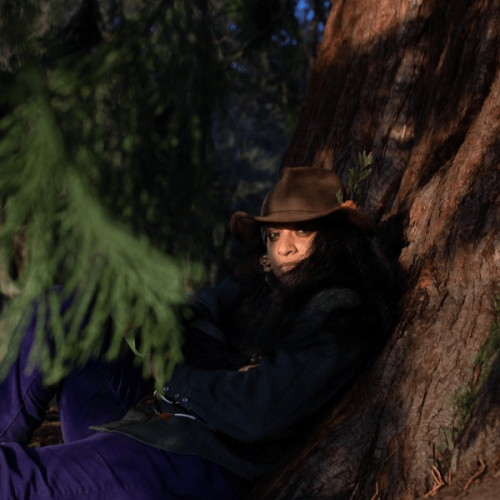
Portland, OR
ridhi d’cruz (they/them) is a gender wild, neurospicy, caste non-dominant Malayali from Bangalore, South India. In 2010, they moved to the unceded lands of the Chinook people (Portland, USA) to pursue a graduate program in sociocultural and applied anthropology. They identify as a learner, facilitator and artist and root their life artistry in the intersections of place, healing, design and creative justices. They are dedicated to cultivating liberatory processes, projects, and places that nourish people’s belonging to themselves, to Land, and to each other. Since 2012, they have been supporting the urban Indigenous community-led Land Back project at the Native Gathering Garden at Cully Park. Since 2019, they have also been supporting the Justice for Keaton Otis Memorial Art Project, an initiative to center Black joy, liberation, and healing in the midst of police brutality. After participating in the program in 2019, they are now one of the core co-facilitators for Moon & Mirror BIPOC Herbal Education Apprenticeship Program (fka Atabey), a healing justice program that supports BIPOC apprentices with connecting with plants and land for healing and liberation. Most recently, ridhi has been working with Prismid Sanctuary as a community engagement consultant. Connect more via ridhidcruz.net
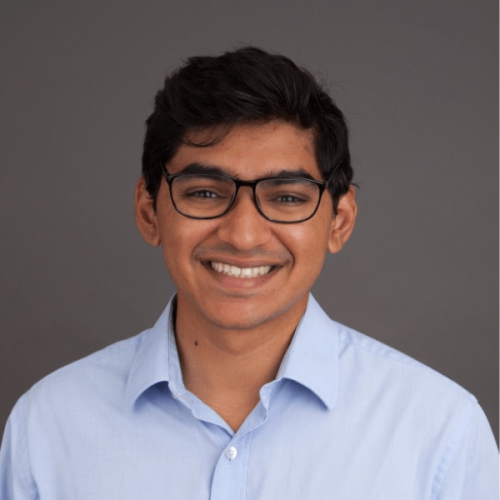
Happy Valley, OR
Sachin Bangalore is a food systems educator, program designer, and advocate for food sovereignty rooted in values of justice, reciprocity, and collective care. Born in Connecticut and raised in India, he was drawn to environmental work early on, inspired by Captain Planet, Jane Goodall, and a formative documentary on farmer suicides in India. That experience catalyzed his lifelong commitment to transforming food systems. Sachin currently serves as the Farmer Training Program Manager at Zenger Farm, where he leads a BIPOC-centered urban agroecology apprenticeship focused on hand-scale agriculture, soil-to-skillet education, and community building. Over the past decade, he has worked across the food system in both India and the US—including food rescue, beekeeping, and farm and garden-based education for youth and adults. He is an alumnus of the UC-Santa Cruz Center for Agroecology Apprenticeship and holds an M.Ed. in Learning and Design from Vanderbilt University, where his research supported an urban farming education program for Bhutanese and Burmese refugees. He volunteers with the Home Orchard Education Center, serves on the Portland EcoFilm Festival Selection Committee, and is training as a Master Melittologist contributing to native bee research in the Pacific Northwest. Sachin brings contemplative, equity-driven leadership and a long-haul vision for food justice.
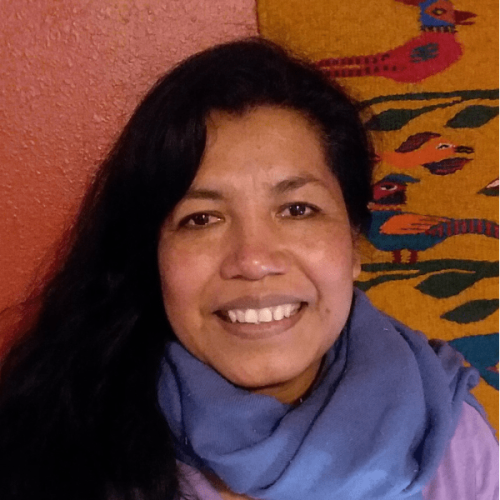
Wilsonville, OR
Silvia Cuesta is a food and land justice advocate shaped by her upbringing in a Mexican farming family where growing food was both a necessity and an act of love. Childhood memories of sharing meals made from the fields and facing food insecurity during drought seasons have grounded her respect for land, food, and community. Though her farming journey was cut short by land loss, Silvia continues that legacy as a Farmland Navigator in Oregon, supporting BIPOC farmers in accessing land and resources. She has also served as a Farm Business Coach and Market Manager at a local Latix nonprofit. Silvia’s leadership is rooted in cultural values, lived experience, and deep relationships. She works to build more equitable food systems through trust, collaboration, and a vision of collective resilience.
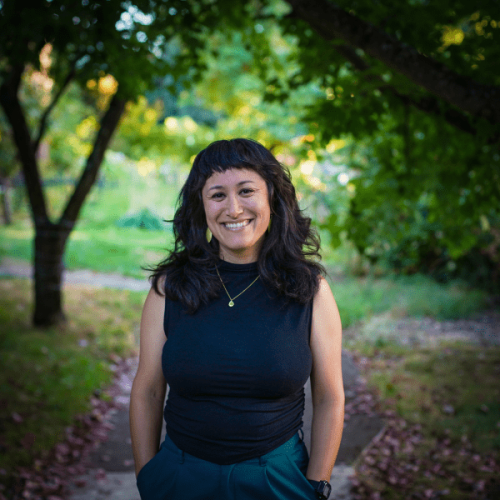
Portland, OR
Sima Seumalo joined Johnson Creek Watershed Council as their Confluence Americorp member in September 2023 and continues to work as their Community Education Specialist today. She earned her degree from Mount Hood Community College’s Natural Resources program and previously worked as an event coordinator. She has spent the last 12 years volunteering with local, conservation organizations and outdoor groups. She looks forward to her time as a Madrona fellow and hopes to build more robust connections within her BIPOC community. In her free time, she enjoys bikepacking, cooking, and (consensually) petting your fur baby.
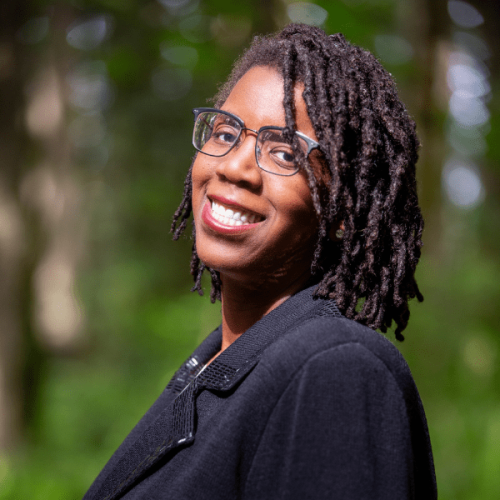
Olympia, WA
Tanikka Watford is the Executive Director of The Moore Wright Group (TMWG), a nonprofit that breaks cycles of poverty through logistics, housing, and resource distribution across multiple states. Under her leadership, TMWG has distributed over $27 million in goods annually, impacting more than 1.8 million families. With over a decade of experience in wholesale and retail distribution, Tanikka has developed markets and food systems globally, especially in communities of color. She founded the first African American woman-owned produce distribution company and co-packing business, advancing access to healthy, affordable foods through cooperative buying, HACCP compliance, and strategic partnerships. A strong advocate for small and Black farmers, she created National Black Agriculture Awareness Week in 2011 and has been recognized by the White House, USDA, and numerous national publications for her work. She currently serves on the Washington State Governor’s Safe Supply Working Group and has led policy efforts from DC to the West Coast. In addition to her food systems work, Tanikka is developing over 120 units of affordable housing by 2026. She studied biology, psychology, and medical technology, holds a PhD in divinity, and is an ordained pastor. She is a mother of four and a lifelong community builder.
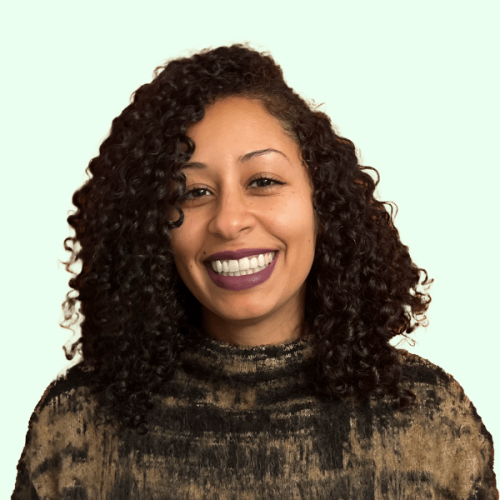
Seattle, WA
Dr. Tavasi Silvas is a multidisciplinary facilitator, scientist, educator, and consultant whose work supports food, medicinal, and cultural sovereignty through mushroom cultivation, land connection, and collective care. With over two decades of experience spanning academic research, community-rooted projects, and applied mycology, Tavasi weaves scientific rigor with intuitive knowledge, systems thinking, and embodied practice. Their work centers queer and BIPOC communities, creating accessible education, sacred mushroom learning spaces, and resource-sharing that supports reconnection to land, lineage, and ancestral technologies. Rooted in emergence, interdependence, and adaptability, their approach invites healing structures that are responsive, relational, and grounded in presence, especially for those navigating displacement, diaspora, or nonlinear ways of being.
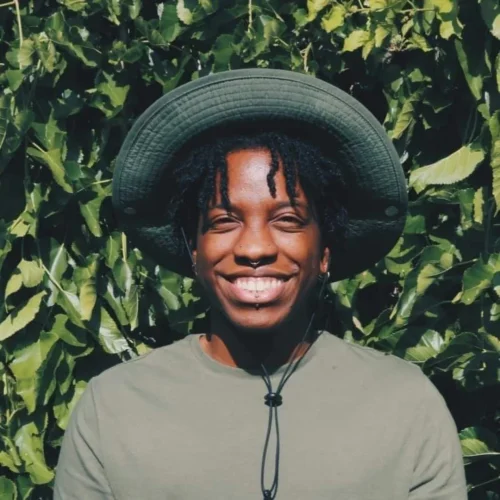
Portland, OR
Teiah Henry is a land steward and youth educator committed to food and land justice rooted in healing, play, and community care. Their work is shaped by personal experiences with food insecurity and displacement, and by a transformative relationship with land that began on a hike at age 21. Teiah currently co-creates a summer farm camp where children deepen their connection to land through curiosity, joy, and rest. They are driven by the vision of free food and housing for all, and the creation of accessible, year-round learning spaces. Based in Portland, Teiah is dedicated to community support, aligning action with values, and fostering intergenerational spaces of growth. Their leadership emphasizes care, integrity, and the power of dreaming new systems into being.
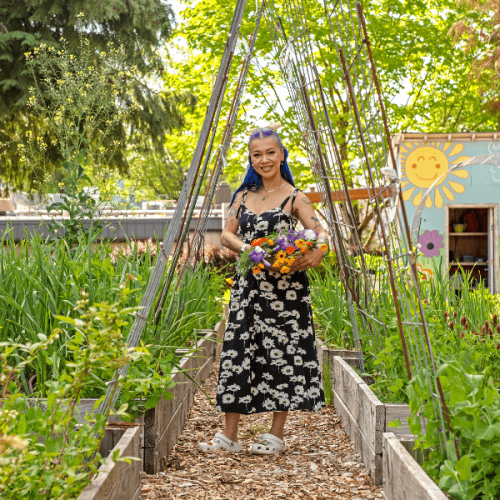
Portland, OR
Thuy Pham (pronounced Twee-Fam) is a visionary chef, community builder, and food justice advocate. She first gained national recognition as founder of Mama Dút, a Vietnamese vegan restaurant in Portland and the first vegan restaurant featured on Netflix’s Street Food. Her inventive plant-based cooking and storytelling earned her a James Beard Award semi-finalist honor and features in Forbes, Vanity Fair, and Eater. As a proud Vietnamese refugee and mother, Thuy’s work has always been about more than food—it’s about belonging, resilience, and empowerment. During the pandemic, she built a movement around community care and cultural pride, showing that when women of color are given space and resources, they transform systems. Today, Thuy brings that same passion to her role as Development Manager at Growing Gardens, where she helps raise resources and build partnerships that expand access to healthy, culturally relevant, and sustainable food. Through programs in schools, correctional facilities, and neighborhoods across Oregon, she is advancing food sovereignty and equity from the ground up. For Thuy, food is a tool for justice and joy—an invitation to reimagine a food system rooted in culture, connection, and care.
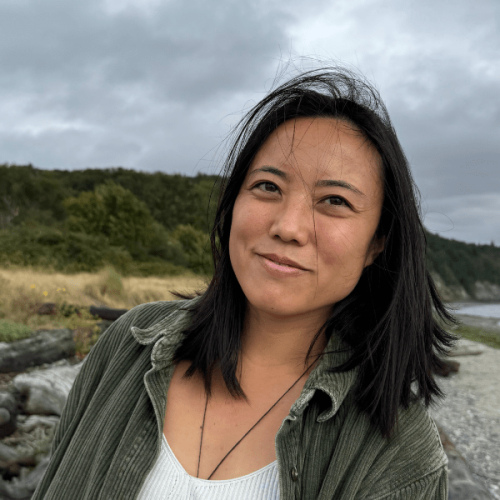
Seattle, WA
Tiffany Ha is the Multilingual Pantry Coordinator at the U District Food Bank, where she supports culturally relevant food access. Raised in Hong Kong, Tiffany’s early connection to food and healing was shaped by traditional knowledge and community care. After moving to Washington, she reconnected with her cultural practices through food justice organizing. Her work draws on experience in facilitating permaculture trainings’, climate adaptation research, and environmental justice evaluation. She spends her free time learning about sustainable farming at Viva Farms, organizing art builds for climate justice, and supporting mutual aid work in the International District. Tiffany is committed to relationship- centered leadership, grounded in reciprocity, collective care, and cultural resilience. She sees food and land justice as deeply relational work and is dedicated to building systems rooted in equity, spiritual practice, and cross-cultural healing.
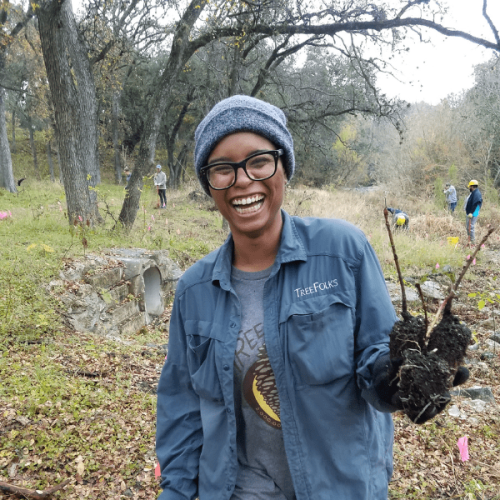
Portland, OR
Zoë Gamell Brown is an East Coast-born, Gulf Coast-raised storyteller, educator, and founder of Fernland Studios, a creative and land-centered project rooted in ancestral storytelling, environmental stewardship, and collective healing. Zoë carries intergenerational Boviander knowledge of plants, rivers, and ritual care from the Jishikibo and Bouruma Rivers to Wapato Island. Their work bridges art, Earth, and identity through narrative, herbal medicine, and land-based relationships. A decade into sobriety and community practice, Zoë brings a deep commitment to healing intergenerational Earth stories and supporting cultural rematriation. Through Fernland Studios and their scholarship as a doctoral candidate in the University of Oregon Indigenous, Race, and Ethnic Studies inaugural cohort, they build space for Black and Brown communities to center ancestral wisdom and creative sovereignty. Zoë’s leadership is grounded in reciprocity, imagination, and devotion to Earth as ancestor, teacher, and kin.
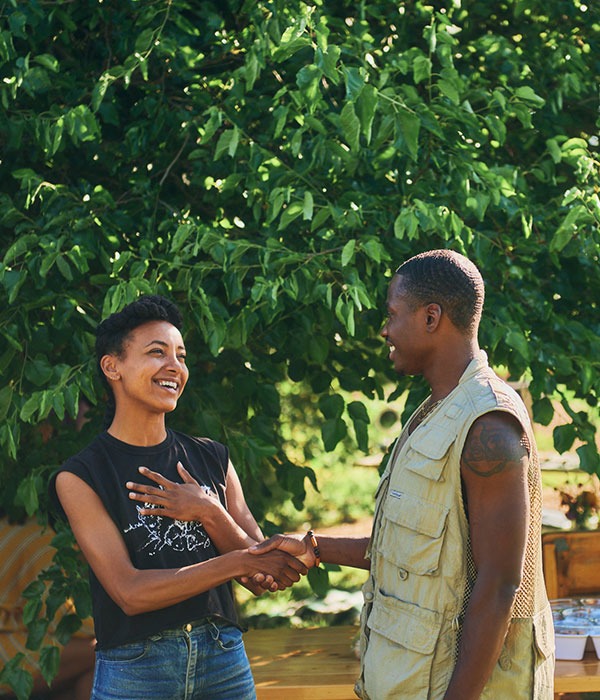
Viviane Barnett Fellows esperanza spalding and Herbert Young. Photo credit: Jason Hill
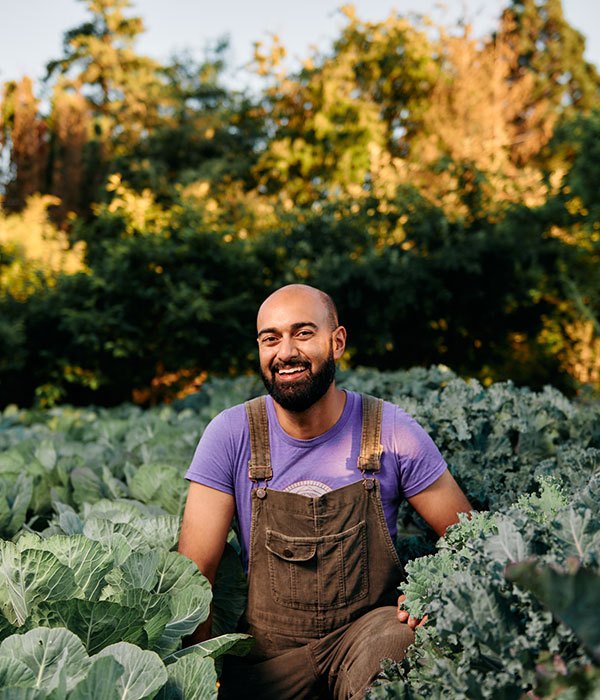
Viviane Barnett facilitator Preet Gujral. Photo credit: Jason Hill
Ecotrust Project Team & Services
Want to learn more? Check out the full Ecotrust Staff & Board and all of our Tools for Building Collective Change.


Leadership development

Storytelling
Amplifying messages
Partner
The Black Food Sovereignty Coalition (BFSC) mission is to ignite Black and Brown communities to participate as owners and movement leaders within food systems, placemaking, and economic development. They serve as a collaboration hub for Black and Brown communities to confront the systemic barriers that make food, place and economic opportunities inaccessible to us. BFSC is focused on meeting these barriers with creative, innovative, and sustainable solutions.
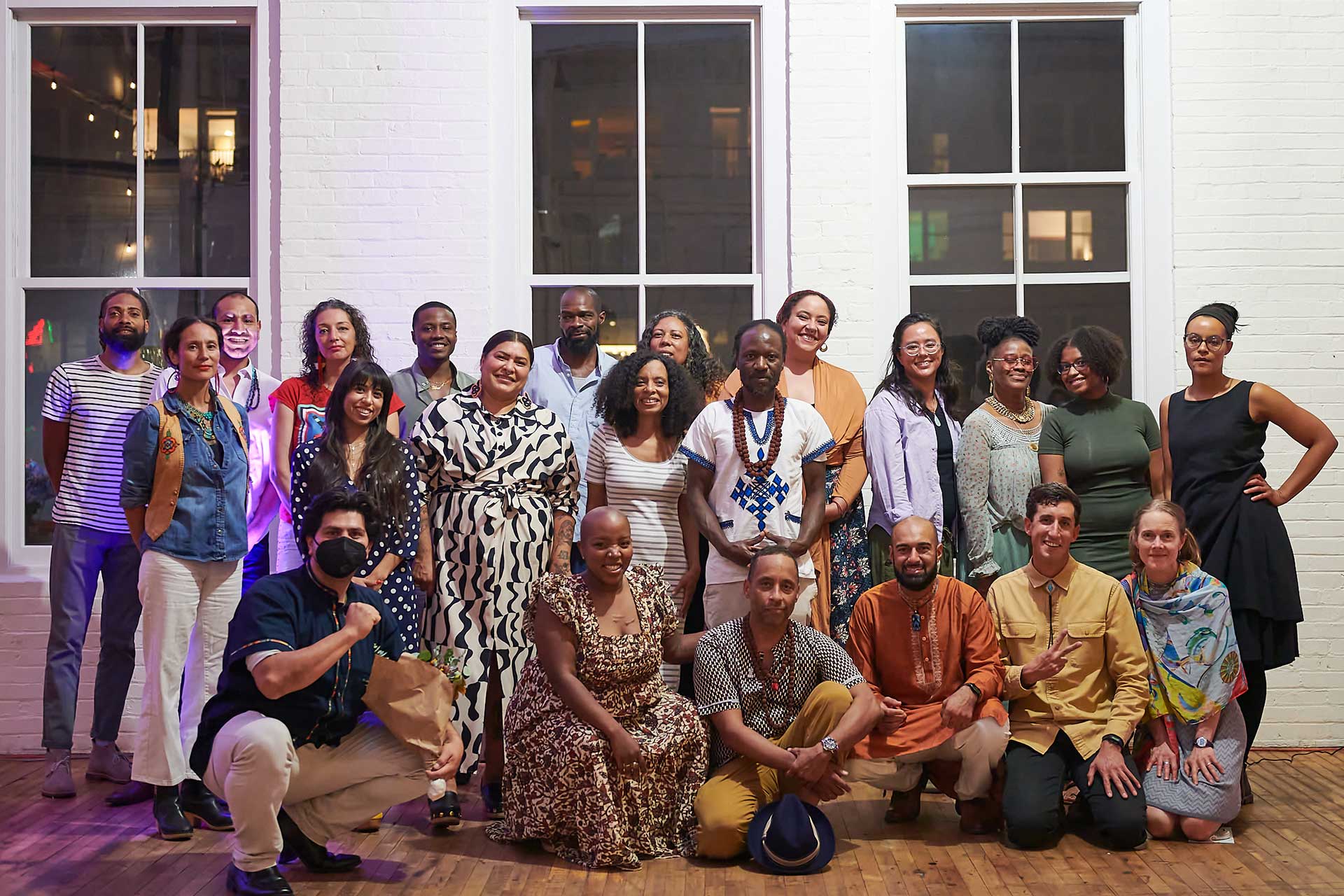
Viviane Barnett fellows, program partners, and Ecotrust staff at the celebration dinner that concluded the inaugural cohort in 2022. Photo credit: Jason Hill
Resources
Past Project
A cohort-based program designed for aspiring and experienced leaders of color working to build equitable, climate-resilient food systems in Oregon.