Community Outreach Coordinator
Communications Manager
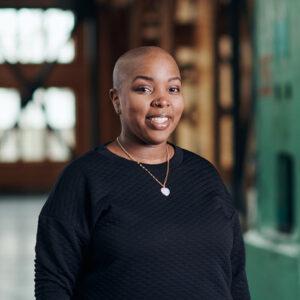
Reeba Daniel with a harvest of peppers. Photo credit: Justin Blackwell

That example left a permanent mark on me. I felt that same calling to tend the land, but I also saw the barriers firsthand. Pursuing formal farming training felt unsafe; the agricultural magnet schools in our area were a magnet for racism—not a place for someone like me. That lack of access was heartbreaking and also continues to fuel my purpose today. I saw our community surrounded by legacy farms, yet families were still hungry, disconnected from the cultural foods that nourish their souls. Seeing so much food shipped away while our neighbors went without was a glaring disparity. My goal now is to heal that disconnect: to increase access to cultural foods and ensure the land serves the community that lives on it, just like my mom’s little garden served us.
That flexibility directly shaped my path. Without the access to a legacy farm or the means to finance one, I had to become a student of the land itself. This journey has deeply connected me to the critical issues of land use, especially here in Washington County. Learning how land tenure and policy affect who gets to farm has transformed my personal mission. It’s no longer just about growing food for others to scale; it’s about understanding and dismantling the very barriers that keep so many from starting this kind of healing work in the first place.
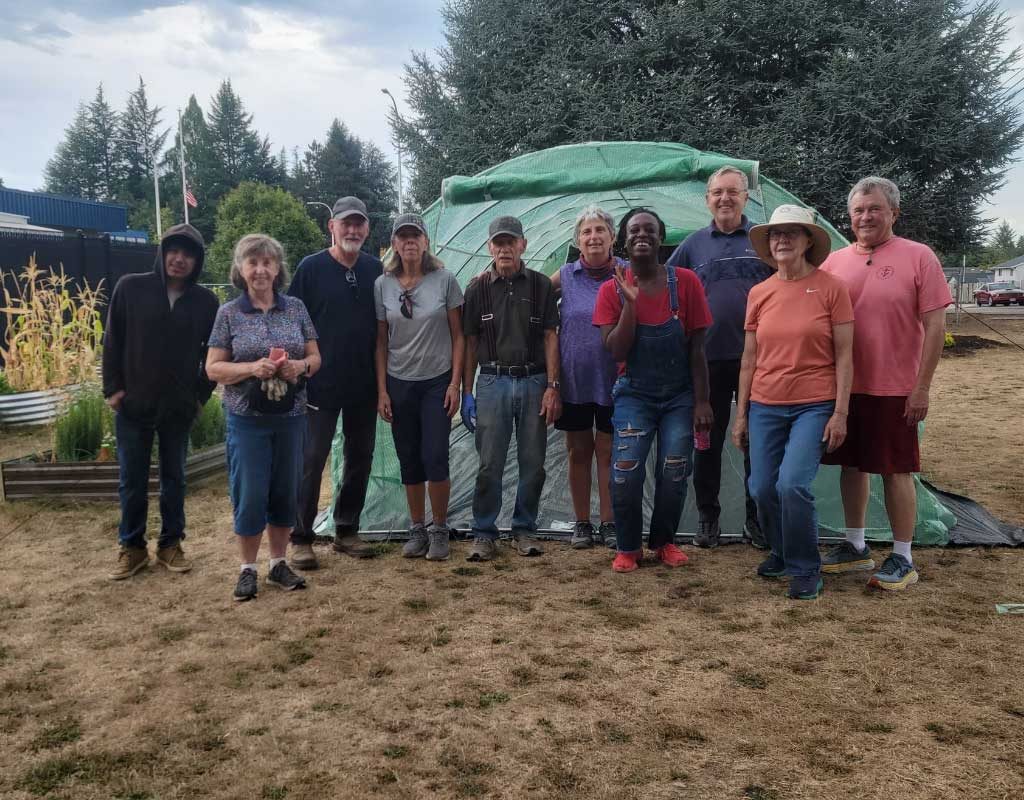
It truly takes a village, and I’ve been blessed with an incredible one. First and foremost, I had to believe in the dream myself to create that essential spark. And my family provided the first circle of support, listening patiently for years as the dream evolved through every challenge and upset. Their empathy empowered a resilience in me that I carry every day.
My formal journey really began with the Farmers Market Fund. Starting as a board member and DEI [diversity, equity, and inclusion] chair and growing into the board president role taught me how a nonprofit functions and how to lead with purpose. I’m forever grateful for that foundation. Early on, critical financial support came from grants like the one from the Oregon Department of Education. I was the first for-profit company to receive it for farm-to-school education. That belief and investment allowed me to pay myself a living wage for the first time, partner with other farmers, buy vital equipment, and provide our programming and build gardens for schools at no cost to them.
So many people have opened doors that increased my access to tools and community. I thank you all: Alisha Howard, you’ve been pivotal, connecting me to both local and national opportunities, like my role as the BIPOC [Black, Indigenous, and people of color] Farmer League liaison for the West Coast with the National Farm to School Network. Melina and Wren at the Oregon Farm to School Network have been integral for training and connecting me locally as their Washington County regional coordinator. I had incredible early mentors like Deborah Ivanhof of The Being Coach, and Hannah Kullberg, who constantly shared opportunities and helped build my community. Amy Gilroy from the Oregon Department of Agriculture is a constant resource, sharing best practices and crucial financial resources with farmers.
The Come Thru Market farmer program connected me to community, education, and vending opportunities that helped define my brand and gave me the confidence to take the leap into serving schools and utilizing their land. And through it all, my best friend Sarah Zareen of Ishq Skincare teaches me daily to live and dream audaciously. She reminds me that this dream isn’t just attainable, but that every single step toward it is a success in itself.
Relearning this work, even if it feels ancestral, is a journey in itself. So much crucial knowledge is gatekept behind expensive memberships or paywalls or is passed down. And the funding disparities for Black and Indigenous farmers are very real; they’re historical and systemic, and as a first-generation farmer, I feel their weight every day. I navigate this by leaning on my own three pillars—intuition, intelligence, and integrity—but it takes immense time and energy.
Land access is perhaps the most tangible hurdle. Wealth and land are so often passed down through generations, a lineage I simply don’t have. So I had to get innovative. When my child started elementary school, I saw the vast [school] lawns and realized the opportunity right in front of us. I saw a way to partner with schools to transform that underused land into productive gardens. That ingenuity is how we’ve been able to grow our program over 60 percent in three years.
Funding is the final piece. I knew I had to get my story in front of the right people, so I volunteered. I served on boards and spoke anywhere I could get two minutes to share the vision. But I quickly realized traditional advice like “stick to one thing” doesn’t work for our community. We fill the holes where they exist. To truly increase our impact, we need different financial vehicles and a strong community of mutual aid. This work isn’t about doing one thing perfectly; it’s about taking care of our people, holistically and without apology.
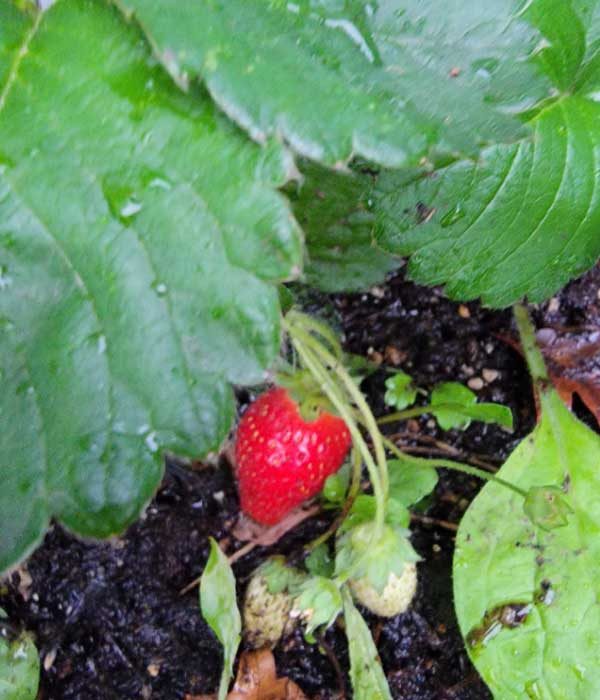
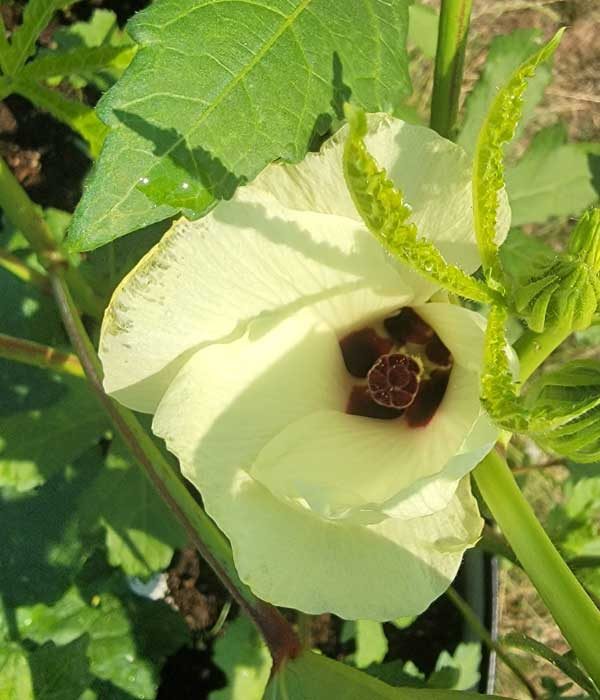
This work is hard. Building school gardens is difficult. It takes time. A lot of it is me out there, spending hours, doing this work as a disabled person. We can always use funding. It takes quite a bit of money, and all of that takes time. Making sure that folks are getting paid equitably is of utmost importance to me, which is mostly why I do this work by myself, because I haven’t figured out how to have sustainable streams of income. [To have the] mentorship and partnership with folks who have built larger, successful systems would be really helpful and beneficial.
And last on the wishlist is land. It always will be. It is my driving and guiding force. To provide housing stability and legacy for my family would be multi-generational change.
I may not see the full forest in my lifetime, but I am tending these saplings every day. My hope that it ignites a deep, inherent curiosity and a sacred connection to the natural world. I hope it moves more people to claim even a small patch of earth—to grow something, to get their hands in the soil, and in doing so, to redevelop their relationship with the land.
Because when you grow your own food, you don’t just want to eat it; you feel a responsibility to care for the soil that provided it and to protect it for those who come next. That’s the future I’m working toward: one where that connection is not a memory, but a living, breathing legacy.
Thank you, Reeba.

Website
At Keep Growing Seeds’ mission is to foster cultural humility, empower food autonomy, and advocate earth stewardship by cultivating an immersive, hands-on experience that unites a global community through sharing culture and heritage, interactive garden-based education, culinary practices, and compassionate advocacy.

Project
Strengthening networks, investing in producer leadership, and expanding food system participation