Communications Director
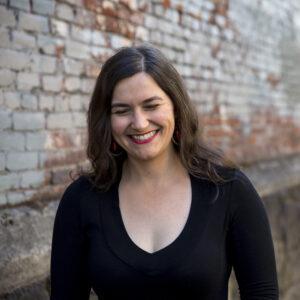
Ron Goode. Photo credit: Kimberly Avalos
Chairman Ron Goode of the North Fork Mono Tribe is a widely recognized educator and practitioner of cultural burning. Through the 2025 Indigenous Leadership Awards, he is being honored for his decades-long work to revitalize cultural fire practices and forge enduring partnerships among tribes, agencies, and communities for land, water, and cultural healing.

Ron Good, North Fork Mono, has always wanted to be a leader.
“When I was 12 or 14 years old, my mother asked me what I wanted to be, because teachers and business people were always asking, ‘Well, what’s he want to do? What’s he want to be?’ And the first thing on the list was the leader of our tribe.”
But Ron’s leadership path was not simply inherited, it was earned. “The two leaders of my tribe said, ‘Tag, you’re it.’ But I was voted in by 40 elders,” he said.
From before the age of eight, learning traditional song, dance, and art, to now mentoring a new generation of cultural burn practitioners across the West, Ron’s life has been shaped by purpose, community, and a relentless drive to restore the land and the culture it supports. For more than 30 years, Ron Goode has been Chairman of the North Fork Mono Tribe. He’s also the co-founder of the California Tribal Water Summit and helped lead the development of California’s Tribal Indigenous Communities Climate Change Assessment. He’s received numerous accolades for his role as educator, mentor, and cultural practitioner.
“
The first word is culture; the second word is burn. We are regenerating our culture by applying fire.
—Ron Goode
His journey began in the foothills of the Sierra Nevada, where he grew up immersed in traditional Mono practices. “One of my first encounters, I was like eight years old when the chief of our tribe came down on his horse,” he recalled. “I had just woven a little yarn strap by hand. He put it around his hat and gave me 75 cents for it. That was my first sale. That moment stuck with me.”
From early on, Ron understood leadership wasn’t just about authority, it was about service and vision. When he was just a child, he witnessed a historic gathering in 1959 of leaders from mountain and valley tribes to discuss the future of their people, at a time when tribes across the United States were undergoing the trials of termination. “I was nine years old, sitting in a brick schoolhouse in Clovis. I’ve since recorded who was there, who was in the inner circle, who was in the outer circle, and what that meant. They talked about education, medical care, and culture. One of the things that they promulgated was to build our own cultural center where we could store our own baskets and display our own culture and own it. And by 1971, the Sierra Mono Museum was built.”
Part of Ron’s strength as a leader lies in his ability to move between worlds. His mother gave him advice that would become central to his leadership style. “She said, ‘You need to learn the white man’s system. If you’re going to be the leader and stay the leader, others may be smarter, richer, or even more culturally knowledgeable. But if you learn their system, they will all come to you.’ And that’s exactly what happened.”
“
Sovereignty is not something you wait for someone to hand you. It is your inherent right.
—Ron Goode
That knowledge became critical as Ron took on the challenge of reviving the traditional practice of cultural burning, a controlled, purposeful use of fire that supports biodiversity, water retention, and ecosystem health. Despite generations of suppression, Ron has pushed through fear and bureaucracy to bring fire back to the land in the right way.
He’s trained more than a dozen burn leaders, many of whom now lead their own coalitions or partner with other tribes and universities to implement cultural fire projects. “One of my burn leaders is with Save the Redwoods and the Tule River Reservation. One’s burning with the Pomo, another is a professor at Berkeley burning with the Coast Miwok. Another is in Kansas burning with Plains tribes. They’re all out there now, creating their own leaders.”
But the work has come with resistance. Even after signing agreements with federal agencies, Ron was threatened with arrest for practicing cultural burns on lands they had already approved. “In 2023, I was told if I burned, I’d be thrown in jail,” he said. “Eventually, after calling them out publicly—with the agreement in hand—they backed off. Two years later, they couldn’t stop praising us.”
“
But if you don’t stand up, the system won’t change.
—Ron Goode
For Ron, cultural burning is about much more than fuel load reduction, it’s about cultural regeneration. “The first word is culture; the second word is burn,” he explains. “We are regenerating our culture by applying fire. If you don’t have a place to gather good material, without being shot at, how are you going to reestablish your culture?
Fire is the tool to bring back water and preserve water. Restored meadows become sponges. They hold water, feed the animals, support the medicine plants, the sedge we need for baskets, and that supports everyone, not just us.”
Still, he emphasizes that sovereignty must be actively lived, not passively granted. “Sovereignty is not something you wait for someone to hand you. It is your inherent right.”
That message resonates across Indian Country, particularly with tribes navigating the tension between cultural practices and state and federal regulations. In 2021, he wrote an article highlighting the disconnect between support for cultural burning, and the lack of understanding around the needs of practitioners. Unfortunately, Ron says, that is still slow to change, necessitating continued advocacy. As Ron says, “Some tribes are afraid to burn, afraid the government will come after them. But if you don’t stand up, the system won’t change.”
When asked what advice he gives to other leaders, Ron says, “If you’re worthy of being on this planet and you’re worthy of the time you’ve been here, then duplicate yourself. We don’t have a way to say ‘thank you’ in our language; we pay it forward.”
Through fire, through mentorship, through defiant persistence, Chairman Ron Goode is doing exactly that.
Ron Goode speaking at the 2025 Indigenous Leadership Awards.

Project Page
A celebration of the determination, wisdom, and continuum of Indigenous leadership across the region.

Press Release
Six leaders and one group will be honored at a ceremony on October 15
PORTLAND, ORE. – July 22, 2025 – Ecotrust is pleased to announce the recipients of the 2025 Indigenous Leadership Awards. …