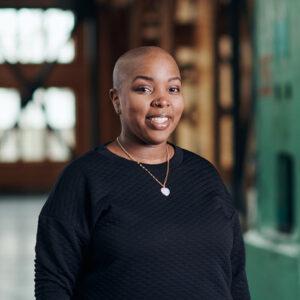
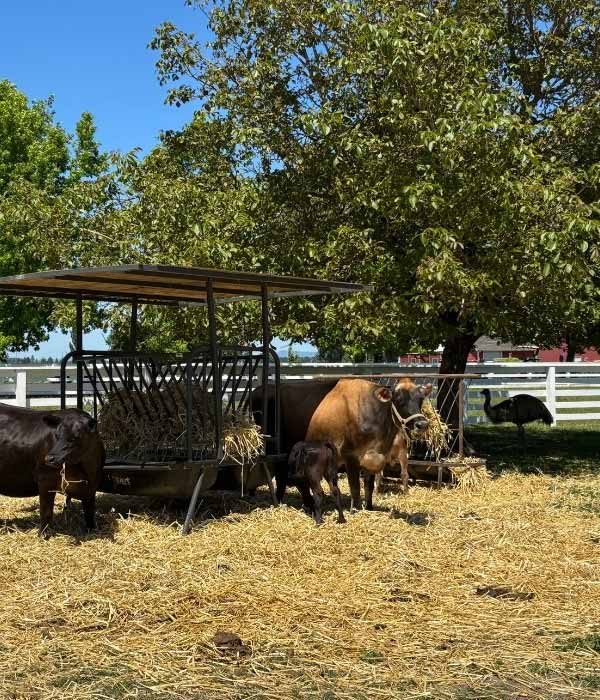
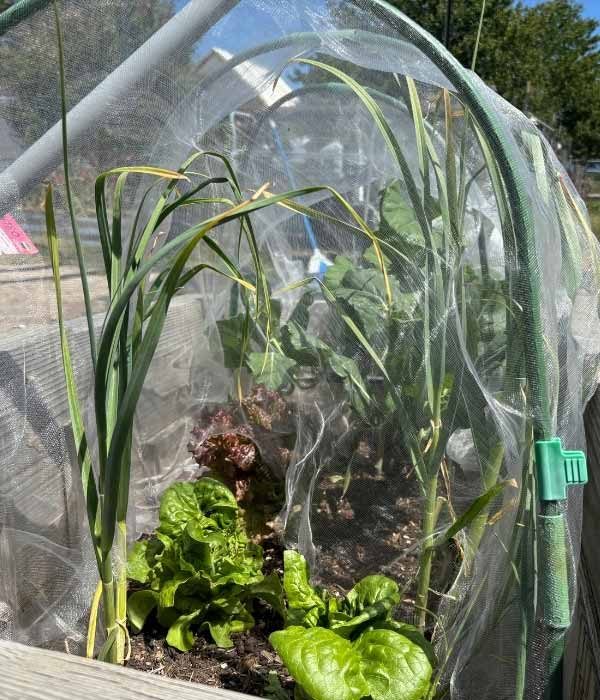
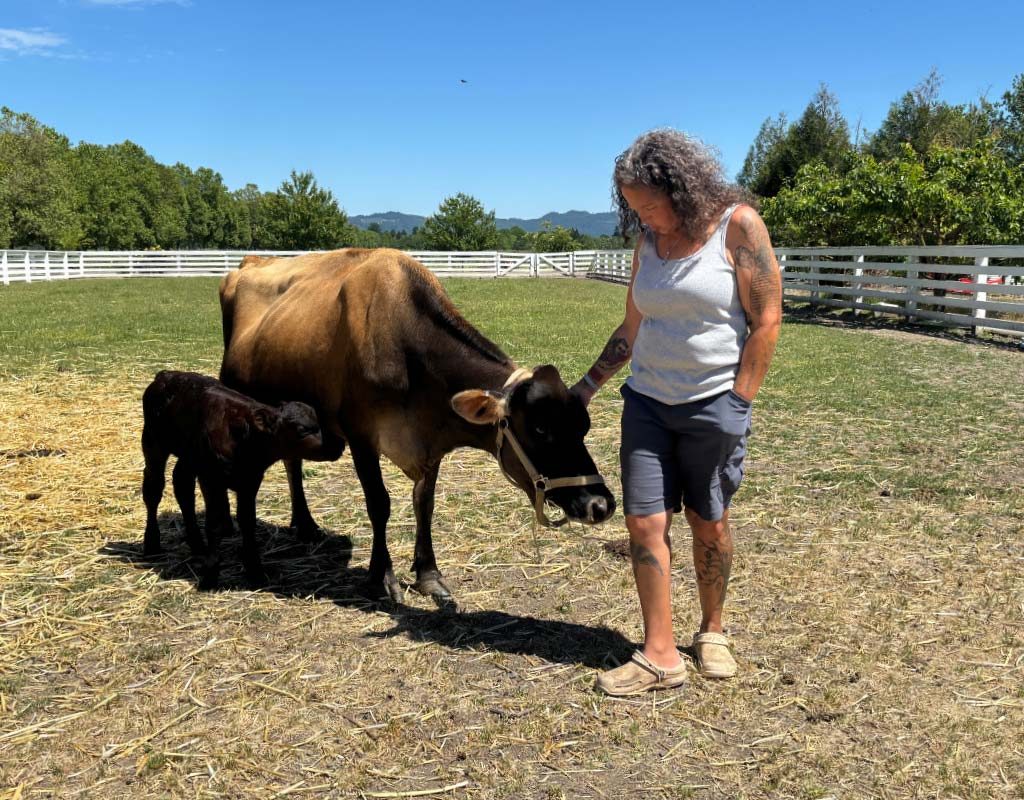
Beth Froembling is the owner of Atypical Roots Farm and Freeze-dried Foods, DBA. Atypical Roots produces farm-fresh meats, produce, and freeze-dried fruits, vegetables, and has a dedicated gluten-free commercial facility. In this interview, she speaks with Alisha Howard, Ecotrust’s Community Outreach Coordinator, about what makes Atypical Roots unique and for the people. All photos are courtesy of Beth Froembling.
How did Atypical Roots come about?
Atypical Roots began with just my freeze-drying. I freeze-dry a lot of candy and grow my own produce. The very beginning of the journey was because of having so many food intolerances and allergies. My youngest son can’t have corn in anything, and trying to find anything without corn is nearly impossible. That’s kind of where it all began: trying to provide food for the family that didn’t have all the additives.
A freeze dryer was never affordable. One year I was going to bite the bullet and put it down for a layaway. I was instead surprised with it as a Valentine’s gift. The first thing that I ever put in the freeze-dryer was a Costco rotisserie chicken, of all things. The next thing may have been strawberries or cucumbers from the store, and those were just delicious. Everybody that I would give stuff to fell in love with it, so that became a side business.
What is the significance of the name “Atypical Roots”?
The name “Atypical” is based off of my family’s neurodivergence. We have autism, bipolar, ADHD, and Intellectual disabilities.
Everybody in my family is all adopted, and I think that we have a unique experience from that—and the fact that we’re a Black family farming. (Well, it didn’t used to be atypical at one point in time; it has unfortunately become that way.) My biological paternal grandmother was also adopted. One of her sisters… is a huge researcher. According to the census records, we have been farming in my family since the early 1900s. That was one of those moments that I’ll never forget: “This all makes sense now.” For the first time ever, I understand who I am and where I come from.
How did you get into farming?
I have been obsessed with anything farming, livestock, outdoors, ever since I was little. I was adopted into a transracial family, and we were raised up in Alaska. So here is this little mixed child that wanted to be in the dirt, trying to grow things. We found there was a place not too far from [our] house that just so happened to also have other Black adopted kids—very rare thing in small towns, you know. But they had a little mini farm, and they had horses and stuff there. I was over there all the time.
What has been helpful to the success of your farming?
The Local Food Purchasing Agreement (LFPA) grant was an incredible transformation for me. It has helped me provide food. It has helped me actually make a living while providing food because I have been doing everything out-of-pocket, but it’s to feed us. It’s to feed our people. It’s also to feed others who fall through the cracks. The LFPA has allowed me to expand, which lets me connect with more people. One of my favorite things to do is have people come over and just graze and let the kids run free in a safe space that provides food.
What are you looking forward to next?
I can’t wait for my kitchen to be open, because I want to be able to provide preservation classes. I want to geek out on nutritious food and say, “Look, you can have it in this form, and you can do these things.”
Food preservation is a huge thing. I absolutely hate food waste. I believe that almost all food can be repurposed into another usable form. Perfect example is with Feed’em Freedom Foundation: they donated huge boxes of chopped jalapeños. Nobody wanted them, because what do you do with a bajillion forty-pound boxes of frozen jalapenos? But I was able to keep those from going in the dump by bringing them home and freeze-drying and turning them into seasoning, into a usable form. I have heard so much feedback about people loving it and how they have used it. It’s fulfilling.
Without the support of these organizations, I wouldn’t have been able to experience that. I wouldn’t have been able to have my passion and grow. It just drives me to do more, to be more, to help more. With this year’s support, I was also able to build a 12-by-12 cold storage. I can take the produce that is being harvested here, and it’s not going to go to waste.
What have you learned on your farming journey?
Four years ago, my brother was diagnosed with pancreatic cancer. I was his most trusted person. We were still doing everything at the same time as caring for him. He stayed with us down here, and he loved the garden. He loved everything outdoors. That was his happy thing. He would come out and eat, and we would talk, and that was our connection. He got really sick this year and unfortunately died. The journey this year has been about trying to be present because I feel him, when I’m out here. He loved the strawberries and the strawberries this year—the best year I’ve ever had. I did a freeze-dry load of the first batch of strawberries, and they’re phenomenal.
I think my journey has been learning that mistakes are OK. That being away from the farm for an hour is not the end of the world. Learning to ask for help is becoming easier. As much as I think that I’m Superwoman, the reality is that I’m not. Planting and harvesting season is really the reminder. In between [them], it’s like, “I got this,” but you can’t do it alone, no matter how much you try.
What do you feel is the mission of your farm?
To feed all the people, all the things. That’s literally the mission. My favorite population are the troubled teens, the special needs, the neurodiverse. “If you can’t fit in somewhere else, please come to me” kind of people. Taking those people and allowing them to plant and grow out here, because it’s the dirt that is therapeutic. It’s amazing what it does for you. When you plant something and watch it grow from seed, there’s pride in it. It just transforms you. I’m getting emotional talking about this, because it’s incredible.
Our mission is to provide sustainable and healthy food options while giving back to our community. All our familiar favorites are available including farm-fresh meats, produce, and freeze-dried fruits, vegetables, and treats from our dedicated gluten-free commercial facility.